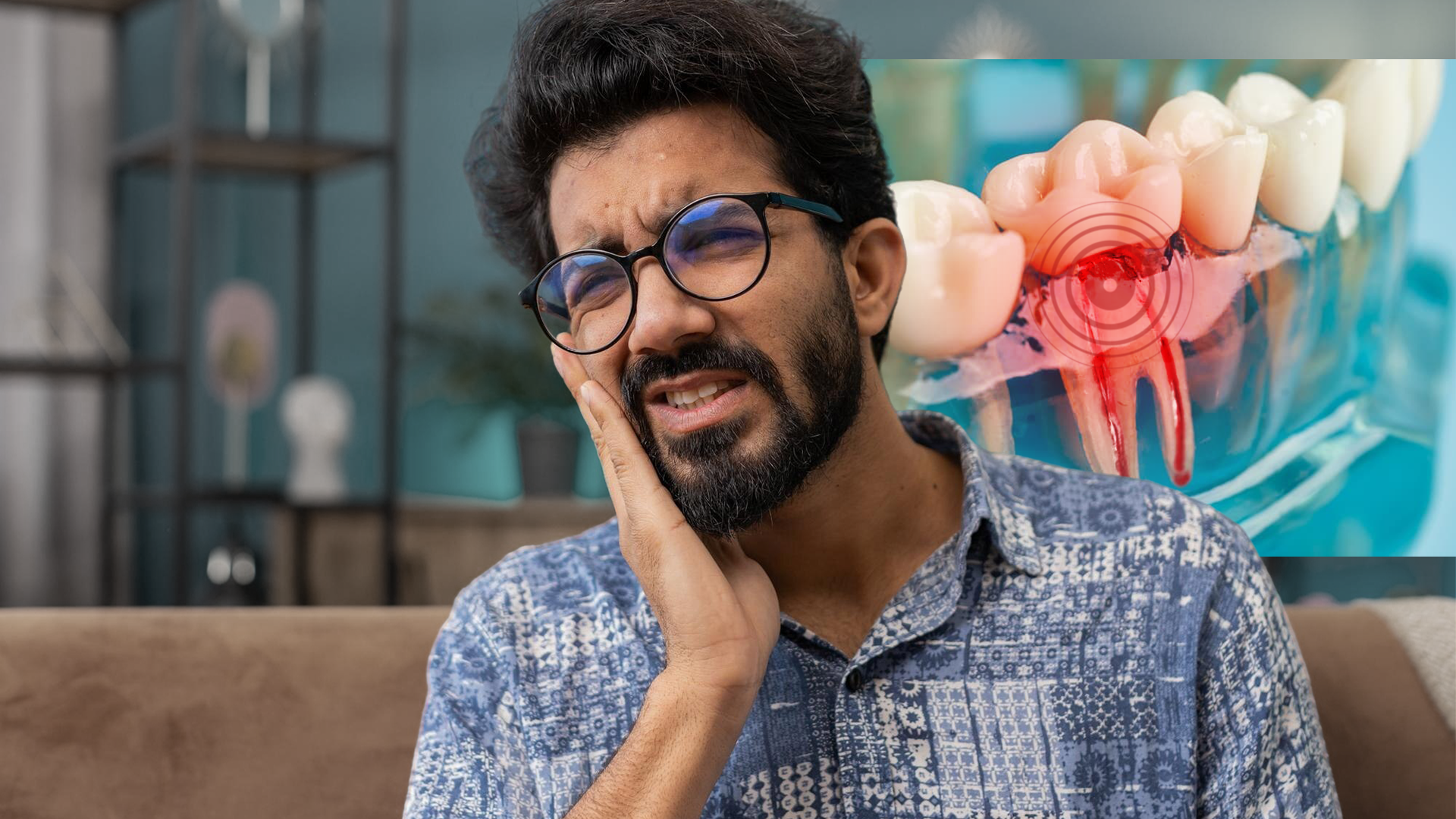
Advanced Pain Management in Root Canal Therapy - Practical Solutions
Pain during and after root canal treatment is one of the biggest challenges clinicians face. Despite improvements in techniques, up to 40% of patients report some degree of postoperative pain1.
Managing this pain effectively is key to improving patient comfort, satisfaction, and clinical outcomes.
Here is what every dental practitioner should know about advanced pain management in endodontics.
Why Does Pain Occur in Root Canal Therapy?
Pain can arise from multiple factors:
- Inflammation of pulp and periapical tissues
- Mechanical irritation during instrumentation
- Chemical irritation from irrigants or medicaments
- Incomplete anesthesia or nerve sensitization
Having a clear idea about the causes can help tailor pain management strategies.
Pain Management - What Should You Know?
Understanding the different stages of anesthesia and key pain management strategies is essential for effective root canal treatment.
Preemptive Analgesia
Preemptive analgesia refers to the administration of analgesics before a painful stimulus, here for a root canal procedure, with the goal of:
- Reducing central sensitization of the nervous system
- Minimizing postoperative pain intensity
- Enhancing patient comfort immediately after treatment2
Recommendations -
NSAIDs, especially ibuprofen 400-600 mg, taken 1 hour prior, are most effective.
- Combining acetaminophen with ibuprofen shows superior pain control3.
- Assess preoperative pain levels with the Visual Analog Scale (VAS) for better planning.
Optimizing Anesthesia
Achieving profound anesthesia can be difficult in cases of irreversible pulpitis or inflamed tissues.
Recommendations:
- Use supplemental injections like intraligamentary or intraosseous anesthesia to improve success when standard nerve blocks fail4.
- Prefer 4% articaine with epinephrine for better nerve penetration and faster onset compared to 2% lidocaine5.
- Use buffered anesthetics to reduce injection pain and speed onset6.
Minimize Procedural Trauma
- Use nickel-titanium rotary files with controlled torque to reduce mechanical irritation and inflammation7.
- Avoid over-instrumentation and carefully maintain apical patency to minimize postoperative pain.
Adjunctive Strategies to Reduce Pain
Here are a few additional methods that can help regulate pain -
- Intracanal corticosteroids reduce periapical inflammation and postoperative pain.
- Cryotherapy with cold saline irrigation lowers tissue temperature, reducing inflammatory mediators8.
- Low-Level Laser Therapy (LLLT) helps modulate inflammation and promotes healing9.
Postoperative Pain Control Protocol
- NSAIDs remain first-line analgesics for managing postoperative pain.
- Combining acetaminophen and NSAIDs maximizes analgesic effects and reduces side effects10.
- Educate patients about expected pain and provide clear instructions to improve compliance.
Managing Pain in Complex Cases and Retreatment
- Retreatment cases often have persistent infection and anatomical challenges that increase pain risk.
- Use multimodal analgesia (NSAIDs + corticosteroids + adjuncts) for better control11.
- Refer for surgical intervention if pain persists despite nonsurgical efforts.
Key Takeaways for Clinicians
- Preemptive analgesia reduces pain intensity.
- Supplemental anesthesia techniques increase success in difficult cases.
- Minimally traumatic instrumentation lowers postoperative inflammation.
- Adjunct therapies like corticosteroids and cryotherapy enhance pain control.
- Clear patient communication improves pain management outcomes.
Final Thoughts
Managing pain in root canal therapy is more than just medication; it involves using the right techniques and tools to make the entire experience easier for your patients.
Combining effective anaesthesia, gentle procedures, and helpful extras like corticosteroids or cryotherapy can provide extra comfort.
And don’t forget, clear communication about what to expect goes a long way in helping patients feel comfortable and confident.
Nailing these key steps can turn a tough treatment into a smooth, pain-free experience.
References
- Pak JG, White SN. Pain prevalence and severity before, during, and after root canal treatment: a systematic review. J Endod. 2011 Apr;37(4):429-38.
- Moore PA, Hersh EV. Combining ibuprofen and acetaminophen for acute pain management after third-molar extractions: translating clinical research to dental practice. J Am Dent Assoc. 2013;144(8):898–908.
- Cooper SA, Patel N, et al. Synergistic effect of acetaminophen and ibuprofen on pain: a clinical trial. Pain. 2017;158(5):1001-1008.
- Aggarwal V, Singla M, Miglani S, Kohli S, Sharma V, Bhasin SS. Does the volume of supplemental intraligamentary injections affect the anaesthetic success rate after a failed primary inferior alveolar nerve block? A randomized-double blind clinical trial. Int Endod J. 2018 Jan;51(1):5-11.
- Syed GA, Mulay SA. Comparative evaluation of anesthetic efficacy of 4% articaine and 2% lidocaine for buccal infiltration in adult patients with irreversible pulpitis of maxillary first molar: a prospective randomized study. Contemp Clin Dent. 2022 Jan-Mar;13(1):61-68.
- Malamed SF. Handbook of Local Anesthesia. 7th ed. Elsevier; 2017.
- Plotino G, Grande NM, Cotti E, Testarelli L, Gambarini G. Blue treatment enhances cyclic fatigue resistance of vortex nickel-titanium rotary files. J Endod. 2014 Sep;40(9):1451–3.
- Hespanhol FG, Guimarães LS, Antunes LAA, Antunes LS. Effect of intracanal cryotherapy on postoperative pain after endodontic treatment: systematic review with meta-analysis. Restor Dent Endod. 2022 Jul 4;47(3):e30.
- Guerreiro MYR, Monteiro LPB, de Castro RF, Magno MB, Maia LC, Brandão JMS. Effect of low-level laser therapy on postoperative endodontic pain: An updated systematic review. Complement Ther Med. 2021 Mar;57:102638.
- Derry CJ, Derry S, Moore RA. Single dose oral ibuprofen plus paracetamol (acetaminophen) for acute postoperative pain. Cochrane Database Syst Rev. 2013 Jun 24;2013(6):CD010210.
- Iranmanesh F, Parirokh M, Haghdoost AA, Abbott PV. Effect of corticosteroids on pain relief following root canal treatment: a systematic review. Iran Endod J. 2017;12(2):123–130.
Related Content

Video
test
test

Gallery
dsdgdsgs
Gallery
Moving Beyond the Low-Fat Paradigm
Knowledge Post
Test 4
ffdhdfhfdh
Video
dfgdgdfgd
Chronic inflammation is a central amplifier of cardiometabolic and cardiovascular disease, driving endothelial dysfunction, oxidative stress, and progressive vascular injury.[1] Dietary compounds influence these pathways, including bioactive polyphenols in extra virgin olive oil (EVOO) — such as hydroxytyrosol and oleuropein — alongside monounsaturated fatty acids (MUFAs), predominantly oleic acid. EVOO exerts anti-inflammatory and antioxidant effects by modulating inflammatory signalling pathways, immune cell activity, and endothelial responses, thereby reducing vascular damage. It represents a clinically relevant dietary strategy that complements medical nutrition therapy in cardiometabolic risk management.[2][3][4] Reference(s): 1. Higashi Y. Roles of oxidative stress and inflammation in vascular endothelial dysfunction-related disease. Antioxidants. 2022 Sep 30;11(10):1958. 2. Ghazali R. Olive oil Compounds: Biological and Chemical Actions for Health-An updated review. Food Chemistry Advances. 2026 Mar 10:101273. https://www.sciencedirect.com/science/article/pii/S2772753X26000560 3. Casas R, Estruch R, Sacanella E. The protective effects of extra virgin olive oil on immune-mediated inflammatory responses. Endocrine, Metabolic & Immune Disorders—Drug Targets. 2018;18(1):23-35. https://www.researchgate.net/profile/Rosa-Casas2/publication/321135121_The_Protective_Effects_of_Extra_Virgin_Olive_Oil_on_Immune-mediated_Inflammatory_Responses.pdf 4. Milena E, Maurizio M. Exploring the cardiovascular benefits of extra Virgin Olive oil: insights into mechanisms and therapeutic potential. Biomolecules. 2025 Feb 14;15(2):284. https://www.mdpi.com/2218-273X/15/2/284
Video
Extra Virgin Olive Oil as an Anti-Inflammatory Intervention: Mechanisms and Clinical Evidence
sdgdgdsg

Short Article
Test Short Article
Test Short Article
Patient Awareness Video
Test Patient Awareness Video
Test Patient Awareness Video